Yesterday, it got two CVEs.
Today, you have detection and exploitation - in one click.
We’re talking about wp2shell, the Wordpress RCE chain that won’t let security and IT teams have a weekend.
Let’s help you get back to yours as fast as possible.
How to confirm exposed - or patched - Wordpress targets
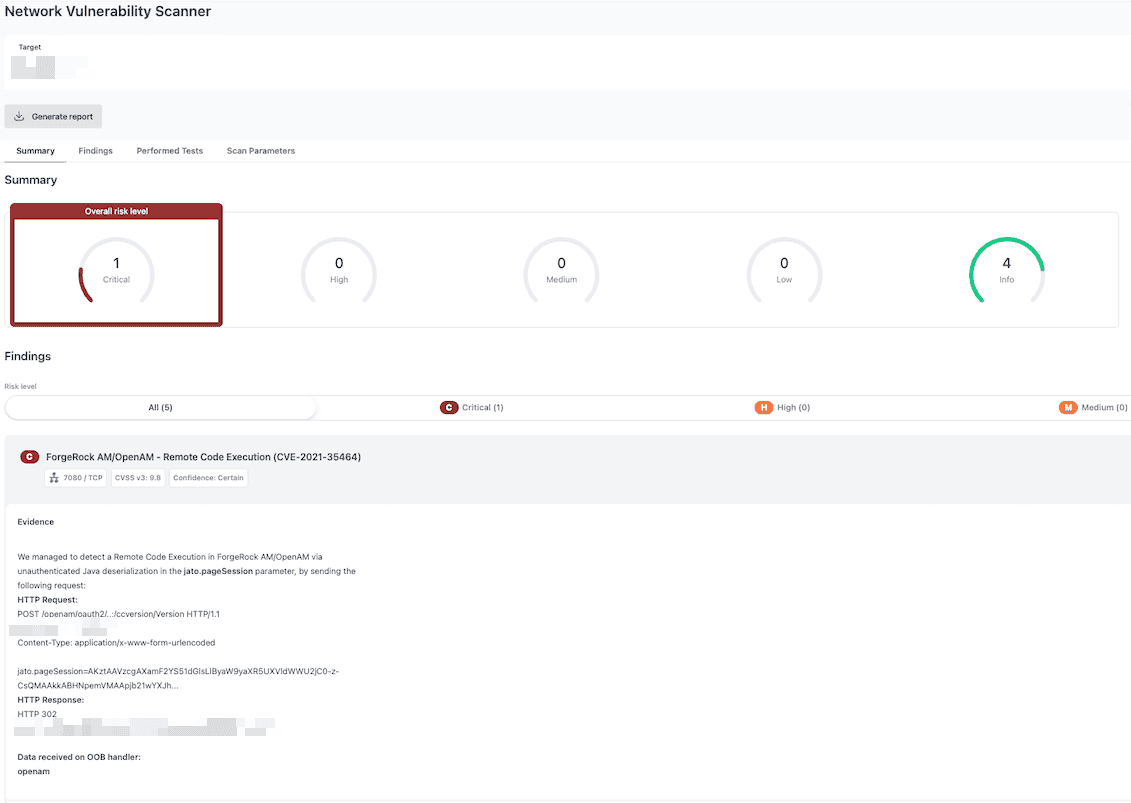
◉ Run a single-CVE scan for CVE-2026-63030 with the Network Scanner (which also covers CVE-2026-60137 - the SQL injection flaw that chains to give attackers RCE)
OR
◉ Use Sniper Auto-Exploiter with the single-CVE scan option for both detection and exploitation covering both CVEs.
AND
◉ Based on your scan results, either patch or confirm you're already on WP 6.8.6, 6.9.5, or 7.0.2.
◉ Re-scan to confirm remediation and rule out residual exposure across your other assets.
Remember: updating your main install doesn't cover every WP instance you own. The attack surface view in your account expands your visibility, so you don’t stop at the site you remember exists.
Why wp2shell calls for an emergency CVE response
wp2shell chains a REST API batch-route confusion (CVE-2026-63030) with a pre-auth SQL injection (CVE-2026-60137) to reach remote code execution.
It needs no login and no plugins, so a default WordPress install in the 6.9.0-6.9.4 or 7.0.0-7.0.1 range is enough to make it a target.
It’s not in the CISA KEV catalog yet, and CVE-keyed inventories were slow to flag it, so version checks alone can leave you guessing.
That is why our research team operationalized detection within a day of the July 17 patch, as part of our emergency CVE response.
Now teams like yours can ✔ confirm exposure, ✔ patch, and ✔ verify the fix held before mass-exploitation tooling catches up.
When someone inevitably asks you “does wp2shell impact our websites?”, you’ll already have the report.port.