
Network Scanner now detects the Apache HTTP/2 RCE (CVE-2026-119618)
Copy link to “Network Scanner now detects the Apache HTTP/2 RCE (CVE-2026-119618)”We added detection for the Apache HTTP/2 RCE (CVE-2026-119618) to the Network Scanner. It’s available in every paid plan.
The flaw needs two things: Apache HTTP Server 2.4.55 through 2.4.70, and HTTP/2 enabled (h2 or h2c in a Protocols directive). Our check looks for both, using only standard HTTP requests, and never sends the request that triggers the bug.
How to confirm exposed or patched targets
1. Run a scan with the Network Scanner. It reads the Apache version and checks whether the server negotiates HTTP/2.
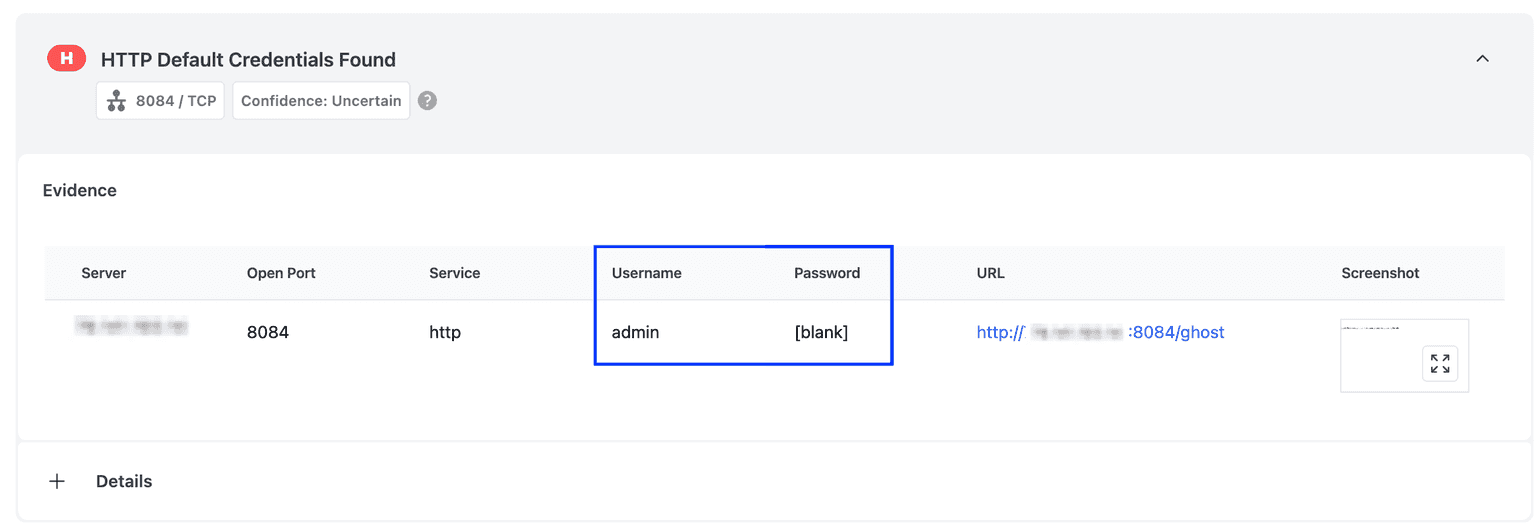
2. Open the PDF report when the scan completes. It includes:
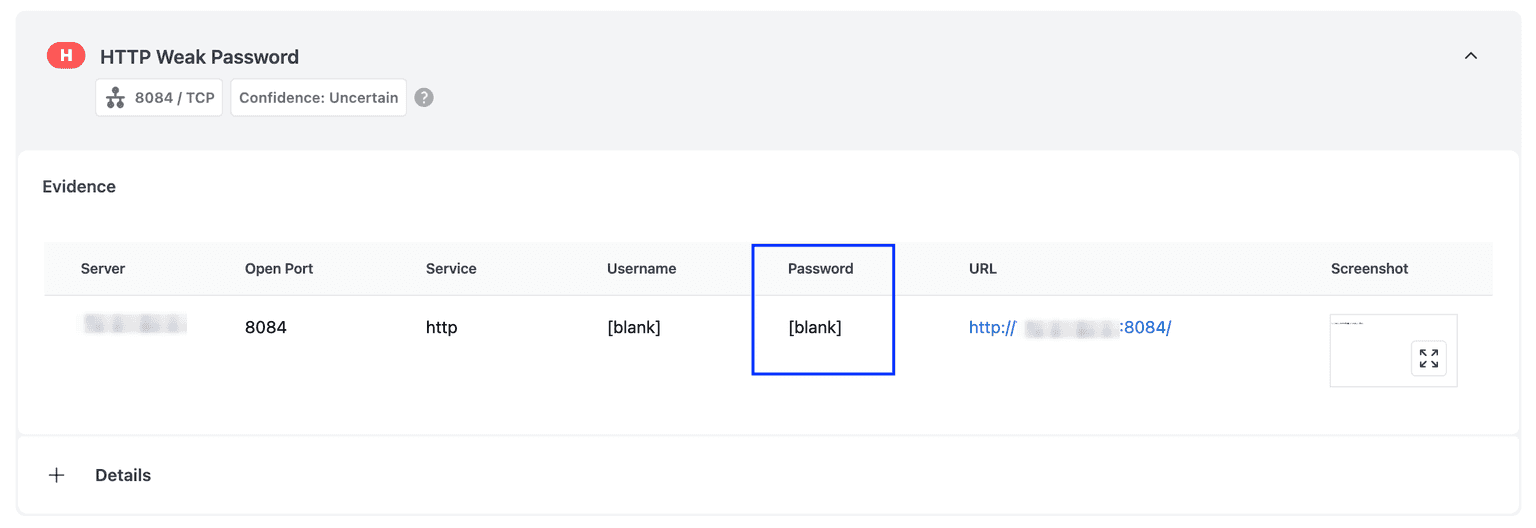
- the version string, the negotiated protocol, and the tested port
- the confidence level (Certain)
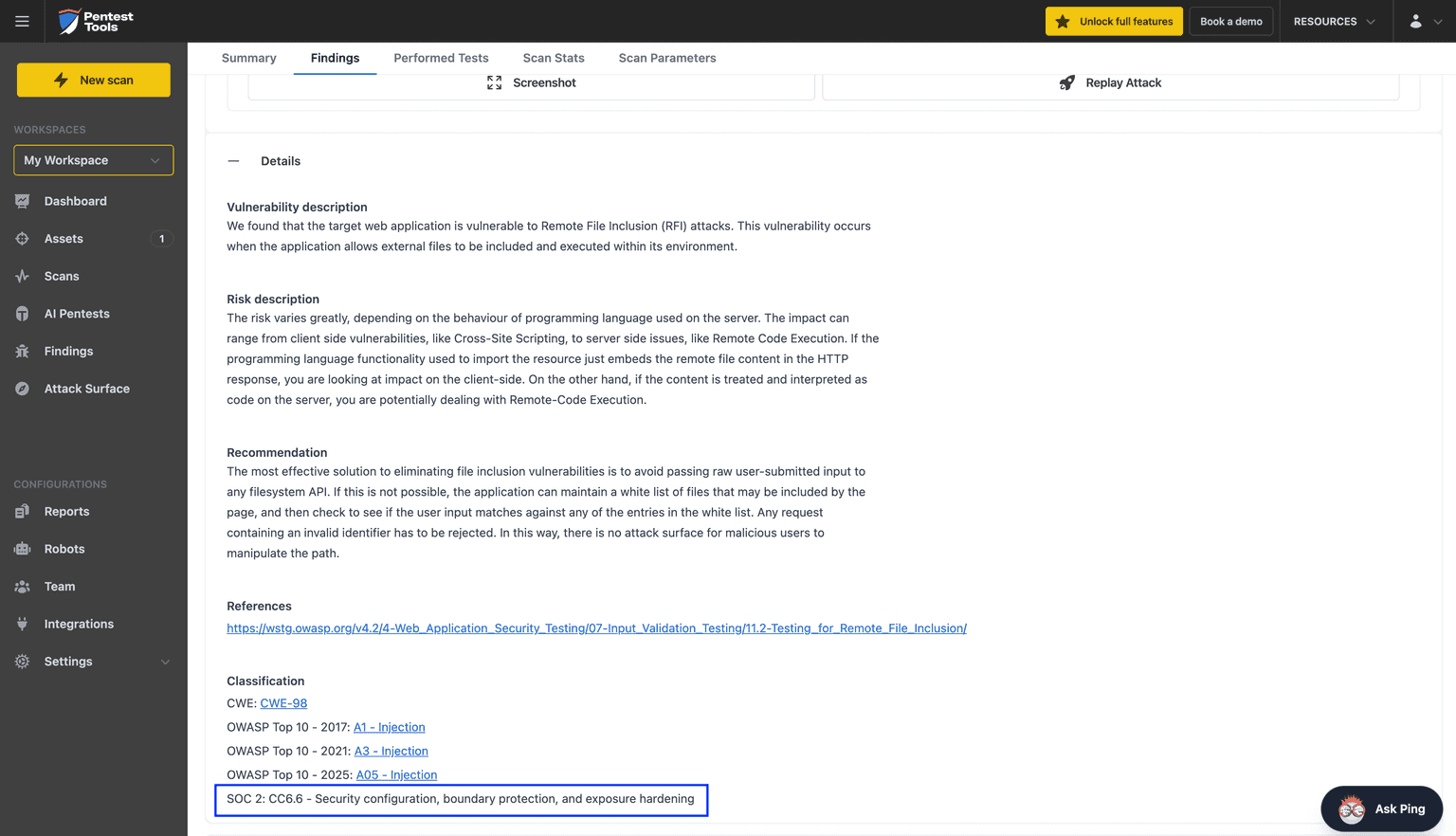
- the fixed release and remediation guidance
3. Upgrade to Apache HTTP Server 2.4.71, or install your distribution’s patched mod_http2 package. The standalone mod_h2 project has no fixed release, so move to the mod_http2 bundled with 2.4.71.
4. Re-scan to confirm remediation and rule out residual exposure across multiple assets.
❗ Can’t patch today? Remove h2 and h2c from every Protocols directive, including inside VirtualHost blocks, and reload Apache.
❗ On RHEL, AlmaLinux, Fedora, and Azure Linux, a patched server can still report an older version. Check the installed mod_http2 package on the host.
Why the Apache HTTP/2 RCE needs more than a version check
• A version match alone doesn’t mean a server is exposed. The flaw only reaches servers that negotiate HTTP/2, so the scan checks that too.
• Container images built before November 11, 2026, and appliances that ship their own Apache build carry their own copy, so each one needs its own check.
• If a server hides its version, or a CDN or reverse proxy handles HTTP/2 in front of Apache, the scan tells you it can’t give a clear answer for that host instead of reporting it as safe.